Photography is a unique art form that transcends language and cultural barriers. It tells stories without uttering a single word. This article explores the expressive power behind photos, diving deep into various facets of photography, including self-portraits, contemplative images, and fine art photography.
What Is a Self Portrait?
A self-portrait is a representation of an artist created by themselves. Unlike traditional portraits where someone else captures the subject, self-portraits offer an intimate glimpse into the artist’s psyche.
The Evolution of Self Portraits in Photography
Historically, self-portraits were created using traditional mediums like paint or charcoal. However, with the advent of photography in the 19th century, artists began utilizing this new technology to explore their identities. The democratization of photography has allowed more people to engage in self-portraiture.
Different Types of Self Portraits
Self-portraits can be categorized into various types:
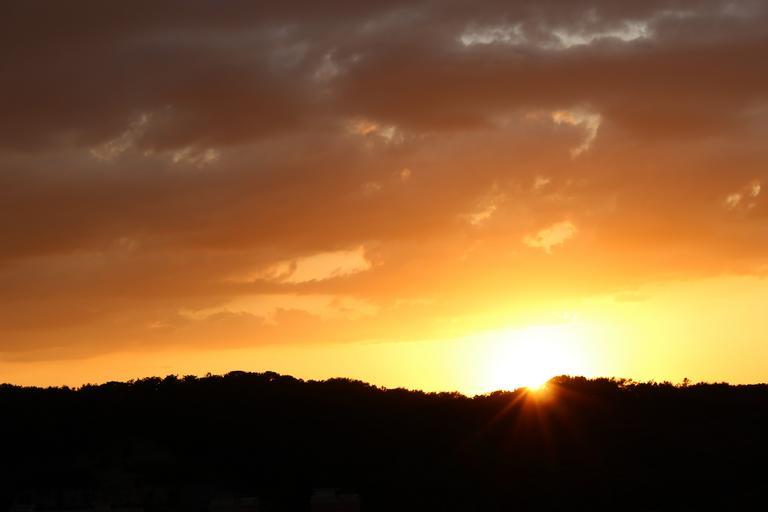
Understanding Self Portrait Photography
Self-portrait photography is not merely about taking a picture; it’s about expressing thoughts and emotions through imagery.
The Intent Behind Self Portrait Photography
The intent behind self-portrait photography often involves exploring identity, emotions, and personal narratives. Artists use this medium to communicate truths that words might fail to express.
Contemplative Photography: A Deeper Look
What Is Contemplative Photography?
Contemplative photography invites viewers to slow down and observe their surroundings mindfully. It emphasizes presence over perfection; capturing moments that resonate on an emotional level.
Principles of Contemplative Photography
Mindfulness: Being fully present while photographing. Observation: Noticing details often overlooked. Intuition: Trusting gut feelings while composing shots.Self Portraits as Contemplative Photography
Self-portraits can serve as powerful tools for contemplative photography by allowing individuals to reflect upon themselves in various contexts.
Techniques for Capturing Contemplative Self Portraits
Use natural light to create soft shadows. Experiment with different angles to discover unique perspectives. Incorporate meaningful objects or symbols in your compositions.Exploring Fine Art Photography Through Self Portraits
Fine art photography elevates images to artistic expressions rather than mere representations.
Defining Fine Art Photography
Fine art photography focuses on creating images that convey artistic vision rather than commercial intent.
Combining Fine Art with Self Portraits
Many artists merge fine art principles with self-portraiture to create thought-provoking pieces that challenge conventional views on identity and existence.
Ideas for Faceless Self Portraits
Faceless self-portraits can evoke mystery and intrigue while still conveying personal narratives.
Creative Faceless Self Portrait Ideas
Use shadows or silhouettes. Capture reflections in mirrors or water. Focus on hands or other body parts engaged in meaningful activities.Aesthetic Photos to Print: Transforming Your Space
When considering aesthetic photos for printing, think about how they will complement your living space.
Choosing Aesthetic Colors and Themes for Prints
Select colors that resonate with your personal style while maintaining harmony within your décor:
| Color Palette | Mood | Usage | |---------------|--------------------|----------------------| | Warm Tones | Cozy & Inviting | Living Rooms | | Cool Tones | Calm & Relaxing | Bedrooms | | Neutrals | Balanced & Timeless | Offices |
What Are Aesthetic Pictures?
Aesthetic pictures are visually pleasing images characterized by cohesive color schemes and harmonious compositions designed to elicit emotional responses from viewers.
Capturing Contemplative Images through Aesthetics
Contemplative images often possess aesthetic qualities that draw viewers in, prompting deeper reflection on the subject matter.
The Connection Between Aesthetics and Emotion in Photography
An aesthetically pleasing image can evoke specific feelings—joy, nostalgia, serenity—by utilizing composition techniques like symmetry or leading lines.
Abstract Self Portrait Photography
Abstract self-portrait photography moves away from literal interpretations of identity into realms defined by emotion and concept.
Characteristics of Abstract Self Portraits
Non-representational forms Strong emphasis on color theory Focused on evoking feeling rather than clear narrativesCustom Photo Size Printing
When deciding how best to display your photographs, custom photo size printing offers flexibility tailored to your specific needs.
Popular Custom Picture Sizes
Here are some common custom print sizes:
| Size | Dimensions (inches) | Best For | |-------------|---------------------|-----------------------------| | 5x7 | 5 x 7 | Tabletop Displays | | 8x10 | 8 x 10 | Framed Wall Art | | 16x20 | 16 x 20 | Large Wall Displays |
Creating a Cohesive Aesthetic Wall Pics Gallery
Curating an aesthetic wall gallery requires thoughtful placement and design elements ensuring visual harmony among prints while reflecting personal style.
Tips for Arranging Aesthetic Pictures
Start with a focal point image. Use frames that complement each piece. Create balance through varied sizes and orientations.FAQs About Telling Stories Without Words—Expressive Power Behind Photos
1. What defines a successful self portrait?
A successful self portrait conveys emotions or ideas effectively while showcasing artistic skill and creativity.
2. How can I improve my contemplative photography skills?
To enhance contemplative skills:
Practice mindfulness regularly. Spend time observing everyday life. Experiment with different photographic techniques without pressure for perfectionism.3. What role does lighting play in self portrait photography?
Lighting dramatically influences mood; natural light creates softness whereas artificial light can evoke drama depending on its directionality and intensity.
4. Can abstract self portraiture still convey meaning?
Absolutely! Abstract works often rely on color theory or composition elements rather than literal representation; meanings emerge through viewer interpretation based upon emotional resonance felt from the image itself!
5. What makes fine art photography unique?
Fine art photography stands out because it prioritizes artistic expression over commercial viability—each image serves as an exploration into concepts beyond https://journeynotes569.theburnward.com/the-harmony-between-boats-water-and-silhouetted-branches just surface beauty!
6. How do I choose custom print sizes for my artwork?
Consider factors such as available wall space dimensions alongside desired impact; larger pieces make statements while smaller ones work well together within galleries!
Conclusion
In conclusion, photographs have an unparalleled ability to tell stories without words—a silent language rich with emotion and narrative depth waiting just beneath the surface! Exploring avenues like self portraiture allows artists not only creative outlets but also opportunities for introspection—teaching us much about ourselves along this journey toward understanding! Whether you delve into abstract styles or focus solely on aesthetics—the expressive power behind photos remains undeniable—a testament celebrating both artistry itself AND shared human experience!
By embracing these forms during your own photographic practices—you too may find fresh perspectives illuminating hidden truths lurking amidst everyday moments captured forevermore!